
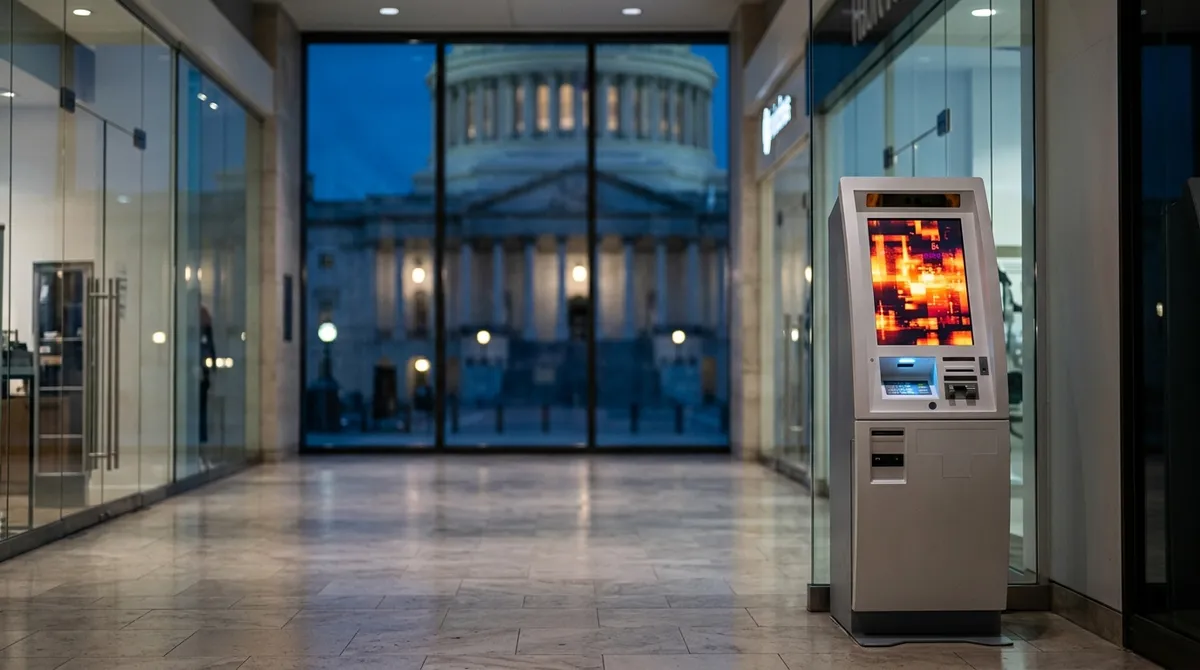
Congressional Action on Crypto ATM Fraud
U.S. lawmakers are taking aim at a rapidly growing threat to American consumers: crypto ATM scams. According to reports, a bipartisan bill called the Stop Crypto ATM Scams Act has been introduced to combat fraud that has cost Americans more than $333 million, according to FBI data.
The proposed legislation targets the more than 30,000 crypto ATM kiosks operating across the United States, many located in everyday retail locations where consumers regularly shop. These machines have become prime tools for scammers who pressure victims into making irreversible cryptocurrency transfers.
How the Proposed Law Would Work
The Stop Crypto ATM Scams Act includes several key provisions designed to protect consumers:
- Transaction limits to prevent large-scale losses
- Mandatory scam warnings displayed on machines
- Enhanced operator recordkeeping requirements
- Refund mechanisms for fraud victims
- Stronger compliance rules for ATM operators
These measures represent a significant shift toward treating crypto ATMs more like traditional banking services, which already have established fraud protections in place.
Seniors Bear the Brunt of Losses
According to reports, seniors are disproportionately affected by crypto ATM fraud. Among victims whose ages are known, older Americans account for the majority of reported losses. This trend reflects scammers' tactics of specifically targeting vulnerable populations.
The fraud schemes typically involve criminals impersonating trusted institutions. Reports indicate that scammers increasingly pose as banks, government agencies, and law enforcement officials to create urgency and pressure victims into transferring money through crypto ATMs.
The Scale of the Problem
The threat is both significant and growing. According to reports, crypto ATM scam losses have increased by 33% in recent reporting periods. This rapid growth coincides with the expansion of crypto ATM networks, which now operate in grocery stores, gas stations, and other common retail locations.
Unlike traditional ATM transactions or bank transfers, cryptocurrency transactions are typically irreversible once completed. This characteristic makes crypto ATMs particularly attractive to fraudsters, as victims have little recourse once they've been tricked into sending money.
Common Scam Tactics
Reports indicate that modern crypto ATM scams often involve sophisticated impersonation schemes. Criminals contact potential victims by phone, claiming to represent:
- Banks reporting suspicious account activity
- Government agencies demanding immediate payments
- Law enforcement officers requiring urgent transfers
- Tech support services claiming computer infections
These calls create artificial urgency, pressuring victims to act quickly before they can verify the legitimacy of the request or consult with family members.
Protection Strategies for Families
While the proposed legislation works its way through Congress, consumers can take immediate steps to protect themselves and their loved ones:
Verify all urgent requests by contacting the supposed sender through official channels rather than numbers provided by callers.
Understand that legitimate institutions rarely demand immediate cryptocurrency payments or threaten immediate consequences.
Involve family members in any significant financial decisions, especially those involving unfamiliar technology or urgent timelines.
Recognize red flags such as demands for secrecy, threats of arrest, or claims that cryptocurrency is the only acceptable payment method.
Looking Ahead
The Stop Crypto ATM Scams Act represents lawmakers' recognition that existing consumer protections haven't kept pace with emerging financial technologies. According to reports, the bipartisan nature of the bill suggests broad agreement that action is needed to address this growing threat.
For consumers, the proposed changes could mean enhanced safety when using legitimate crypto services while making it harder for scammers to exploit these machines. The transaction limits and mandatory warnings could serve as crucial circuit-breakers, giving potential victims time to reconsider before completing irreversible transfers.
As crypto ATMs continue expanding across American retail locations, the balance between innovation and consumer protection remains a critical challenge for policymakers and the financial technology industry.