
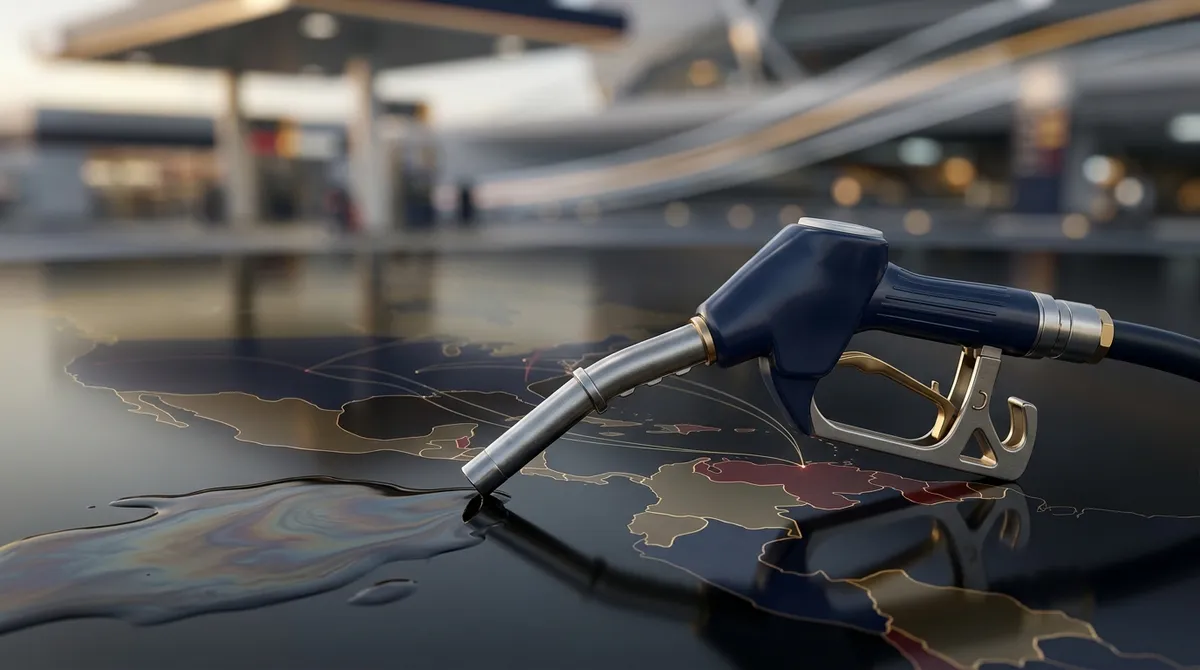
Energy Secretary Chris Wright is currently working to finalize a significant oil deal with Venezuela, which could have profound implications for gas prices in the United States. This development signals a potential shift in U.S. energy diplomacy, emphasizing domestic energy needs amid changing geopolitical landscapes.
Understanding the Oil Deal
The negotiations between the U.S. and Venezuela signal a pragmatic approach to energy security by the Trump administration. This initiative appears to prioritize domestic energy interests over the traditional sanctions-based foreign policy that has characterized U.S.-Venezuela relations in recent years. The potential deal may open the door for Venezuelan oil to enter the U.S. market, which could influence supply levels and pricing.
Potential Impact on Gas Prices
One of the most immediate concerns for American consumers revolves around how this oil deal could affect gas prices. A greater influx of Venezuelan oil could help stabilize or even lower domestic fuel costs, particularly if the supply chain is managed effectively. Currently, inflation and other market pressures are contributing to rising gas prices; increased oil imports may mitigate some of that strain by expanding the available supply.
Energy Independence Goals
Beyond simply affecting fuel prices, this deal has broader implications for America's energy independence goals. A reliable source of oil from Venezuela could bolster U.S. energy resources, reducing vulnerability to international supply disruptions and enhancing national security. This ties directly into the ongoing discussions about America’s reliance on foreign oil imports and the desire to create a more self-sufficient energy strategy.
Domestic Energy Industry Reaction
The reaction from the domestic energy industry has been mixed, with some stakeholders expressing concern over reestablishing ties with a nation like Venezuela, which has a complicated history with the United States. Others, however, view it as an opportunity for beneficial trade and energy stability. The potential for increased competition in the oil market could spur innovation and lower prices.
Historical Context
It's important to consider the historical context of U.S.-Venezuela relations when discussing this deal. Over the years, U.S. foreign policy has evolved, facing many challenges related to Venezuela's government and its human rights record. Sanctions have been a primary tool used to address these issues. This pivot toward engagement rather than isolation reflects a critical reassessment of how best to achieve both economic and diplomatic goals.
Conclusion
As negotiations progress, the finalization of an oil deal with Venezuela could reshape the U.S. energy landscape in profound ways. From potential price changes at the pump to broader implications for energy independence, it’s an evolving situation that highlights the complex intersection of energy policy, economics, and international relations. Stay tuned to see how these developments unfold and what they may mean for your wallet.