
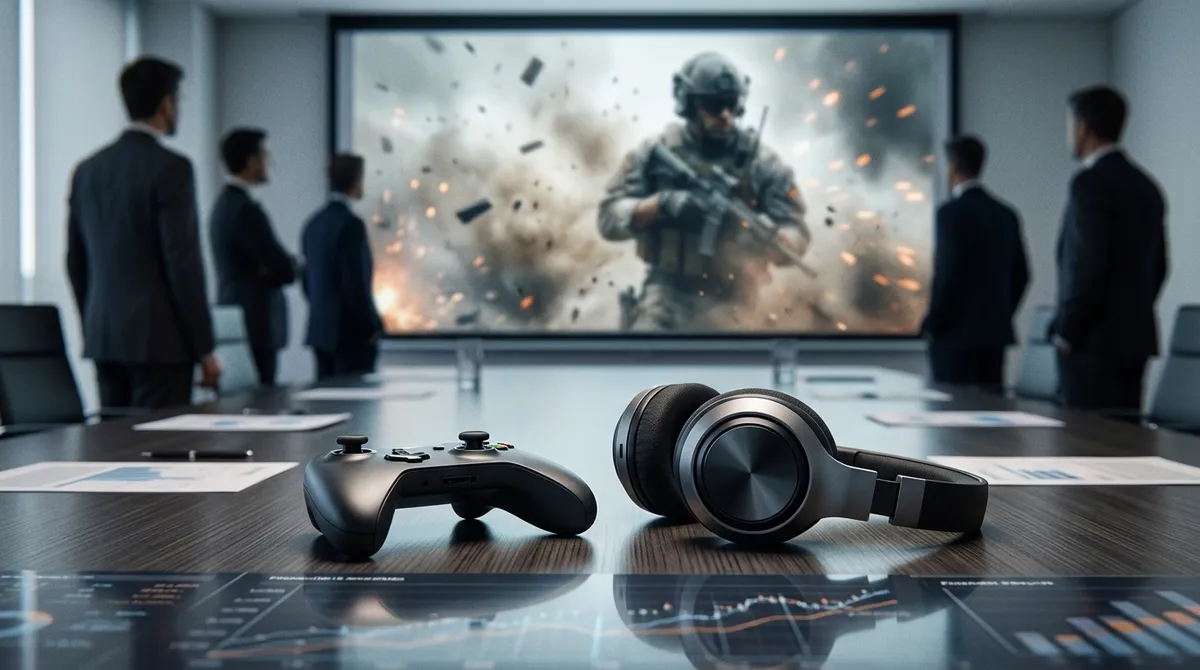
Electronic Arts (EA) is gearing up to close its $55 billion go-private deal around August 4, 2026. This transformative merger, which involves Saudi Arabia’s Public Investment Fund, Silver Lake, and Affinity Partners, marks one of the most significant ownership shifts in the gaming industry in years. And as a gamer, you're probably wondering: what does this mean for you?
The Implications of Going Private
When a company like EA goes private, it means its shares won’t be traded publicly anymore. This can have a direct impact on how the company operates, its investment strategies, and how it supports its game franchises.
Potential for Increased Investment: Without the pressure of quarterly earnings reports and stockholder expectations, EA may have more freedom to invest in longer-term projects. Whether it’s developing new titles or enhancing existing ones, you could see more ambitious games emerge as a result.
Changes in Pricing Strategies: With private equity backing, EA might shift its approach to monetization. This could mean adjustments in how they price games and related services. For gamers, this is crucial as it may impact your buying decisions and the value you perceive in the products.
Focus on Franchise Stability: Franchises like “The Sims” and its extensive sports portfolio could see changes in their development strategies. Going private allows for a longer horizon in terms of profitability, possibly leading to a greater emphasis on creative risks rather than the usual focus on sales numbers.
Concerns About Layoffs and Creative Risks
However, there are also potential downsides. Historically, go-private deals can lead to cost-cutting measures. As a gamer, it’s worth considering what this could mean:
- Layoffs: With restructuring, there's always the risk of layoffs to remove redundancies and streamline operations. This could impact the teams behind beloved franchises and possibly deplete talent pools.
- Less Transparency: Once private, EA might not be as transparent about its operations, meaning you could hear less about its decision-making processes and game development priorities.
Reinventing the Live-Service Model
The success of “Battlefield 6” exemplifies a model EA may want to lean further into. Private equity firms often thrive on monetizing live services. You might see EA further develop its already popular live-service games, with a more aggressive approach to in-game purchases and ongoing content updates. This can mean both more frequent content but also a potential increase in microtransactions, which many players already feel negatively about.
A Shift in the Gaming Landscape
Overall, the decision for EA to go private raises numerous questions about equality and fairness in gaming. How the company interacts with its player base might shift, too. The future of EA could include:
- Greater Innovation: Freed from the pressures of public investors, EA may be able to focus on pushing the envelope in gameplay and storytelling.
- New Goals for Franchises: Iconic video game franchises may see revitalized objectives aimed at longevity rather than just immediate profitability.
As we approach the end of the week and the actual closing of this landmark deal, keep an ear to the ground. The next steps EA takes could reshape your gaming experience. Will this be a positive shift, or merely another step toward more corporate consolidation in a beloved industry? Only time will tell, but as a gamer, it's essential to stay informed and consider how these developments could affect your favorite titles and the overall gaming landscape.