BuzzFeed Shopping recently published a roundup of 29 products aimed at homebodies, pitched as reasons to skip going out this weekend. Its logline imagines canceling dinner plans because your new bathtub pillow is "calling your name." It's a fun read. It's also a perfect setup for impulse buying, because cozy-at-home content works by making a small purchase feel like a whole mood.
You can enjoy the idea without the damage. Staying in is already one of the cheaper ways to spend a weekend. The trick is making sure the money you save by skipping dinner out doesn't leak into a cart full of "treat yourself" items. Here's a simple way to design a comfortable no-plans weekend and keep the spending on purpose.
Start With the Weekend, Not the Product
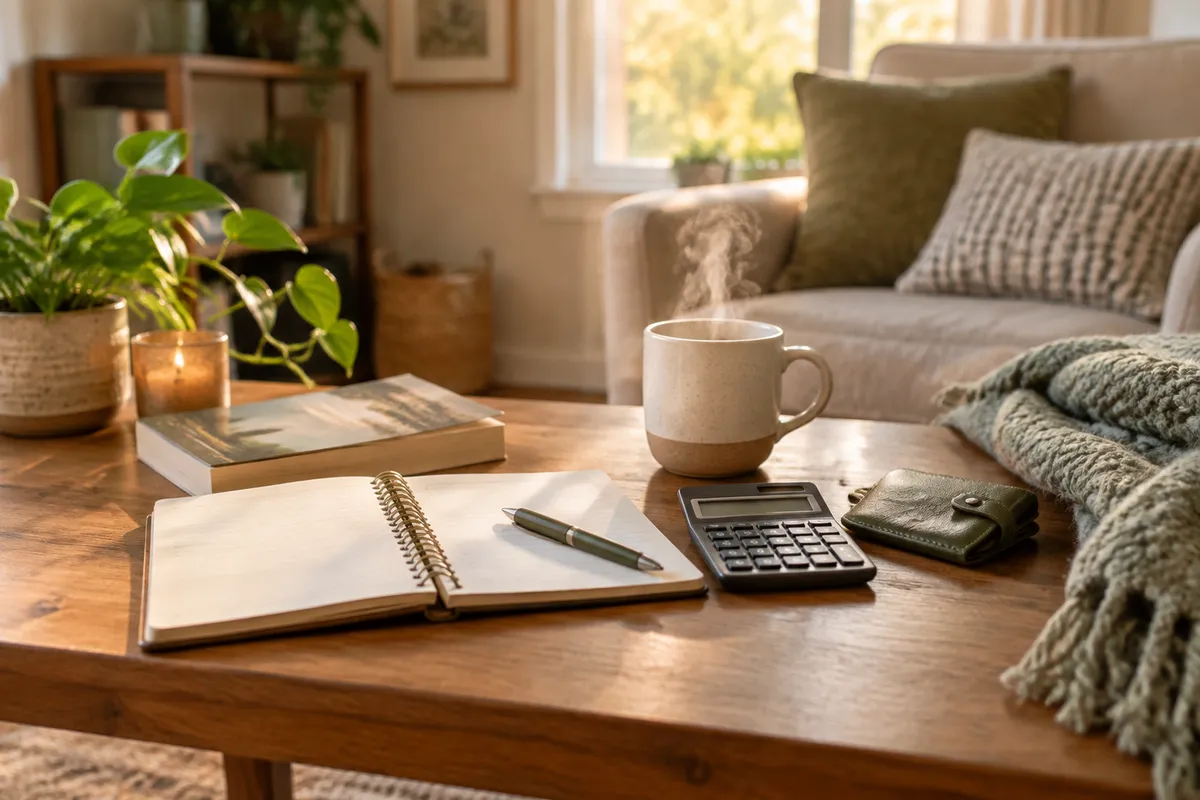
The BuzzFeed piece frames its picks as upgrades that make staying home feel more fun, cozy, useful, or indulgent. Those four categories are a handy filter. Before you add anything to a cart, decide what you want the weekend to feel like:
- Cozy: warmth, soft things, a spot you actually want to sit in.
- Fun: something to do that isn't scrolling.
- Useful: a small fix for something that annoys you at home.
- Indulgent: one thing that feels like a treat.
Pick one or two. If a product doesn't serve the feeling you chose, it's a distraction, however cute it looks in a roundup.
Set a Stay-In Budget Using Your Skipped Plans
Here's a concrete way to set a cap. Think about what you would have spent if you'd gone out: dinner, drinks, transit or gas, maybe a cover charge. Use your own real numbers, not a guess. Then set a ceiling for the weekend's home upgrades at a fraction of that, say half.
That gives you a built-in win. You still get something new for the house, and you still come out ahead of the night out. Whatever you don't spend stays in your account.
Use the One-Item Rule
Roundups of 29 products are designed to make you want several. Try this instead:
- Skim the list once and pick your top three.
- Sleep on it, or at least wait until after your first cup of coffee.
- Buy only the one you still want.
If the other two still appeal next week, put them on a running wish list. Items that survive a week are usually worth more to you than the ones you wanted in the moment.
Shop Your House First
A bathtub pillow is the sample indulgence the BuzzFeed logline plays on. The underlying idea, making a familiar routine feel luxurious, often costs nothing. Before you buy, try the free version:
- Roll up a towel behind your neck in the tub.
- Pull the blankets and pillows you already own into one spot and build a nest.
- Dim the overhead lights and use the lamps you have.
- Pull a game, puzzle, book, or craft project off the shelf you forgot about.
If you try the free version and find yourself wishing for the real thing, that's a strong signal the purchase is worth it. If you don't miss it, you just saved the money.
Check Price Before You Buy
BuzzFeed's roundup sits in its Shopping section alongside sales and promotions coverage, so some picks may be discounted at the time you read it. Don't assume a listed price is a good one. Before you check out:
- Compare at two or three retailers. Prices on the same item can differ.
- Look for a coupon code in the browser or at checkout.
- Check shipping. A cheap item with paid shipping may cost more than a slightly pricier one with free delivery.
- Read the return policy. If you can return it, an impulse buy carries less risk.
Spend on What You'll Use Repeatedly
The best home purchases are the ones that get used again and again. A bathtub pillow you use every week for a year is a better value than a novelty gadget you use once. Ask yourself how often you'll realistically use the thing, then divide the price by that number. A $30 item used 30 times costs a dollar a use. The same item used twice costs $15 a use.
This math also works in reverse. If you can't picture using something more than a couple of times, skip it, however good the deal looks.
A Simple Room-by-Room Checklist
If you want to turn the roundup idea into a plan, walk through your home and note one small thing in each space that would make staying in better:
- Living room: somewhere comfortable to sit, a better light, or a blanket within reach.
- Bathroom: the bath or shower routine you'd like to make nicer.
- Kitchen: a snack or drink you'd normally pay for out, made at home instead.
- Bedroom: whatever makes tonight's sleep a little better.
Write the list down, cross off anything you can solve for free, and only then go shopping for what's left.
Make Staying In Pay Off
A weekend at home is a built-in saving opportunity. Pick your feeling, cap your spending at a fraction of what going out would have cost, and buy one thing after waiting a day. Do that and the bathtub pillow earns its place, and your budget gets to stay home too.