
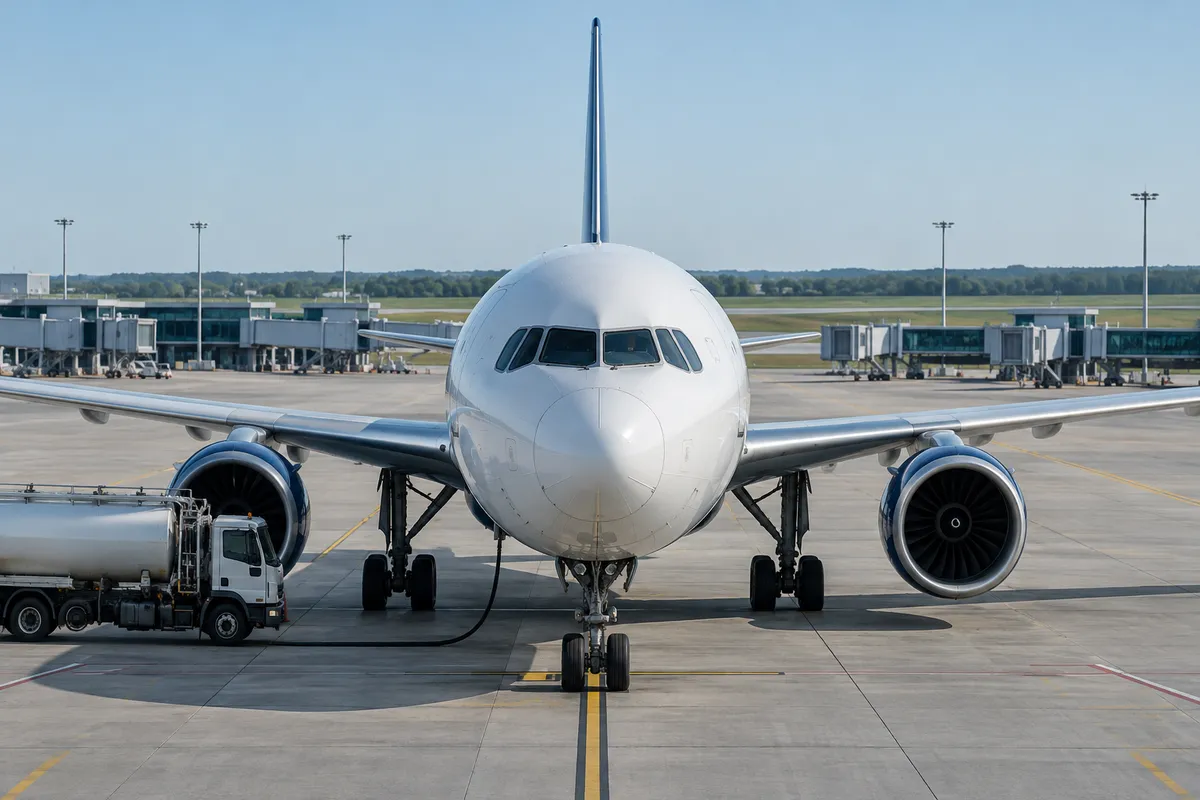
Delta Air Lines has warned that airlines may need to limit flight growth next year as surging jet fuel costs squeeze profits, per HuffPost's reporting. The carrier cut its 2026 profit forecast by nearly a quarter and said capacity discipline will be key to protecting margins. Delta did this even though travel demand is strong and fares are higher.
For you, the practical payoff is this: fewer seats chasing the same travelers rarely means cheaper tickets. Here's how the pieces connect, and how to adjust your travel budget before you book.
Why strong demand doesn't mean cheap flights
It's natural to assume busy planes mean airlines are thriving and fares will ease. Delta's warning shows why that logic fails. Per the report, the Iran war has pushed global jet fuel prices sharply higher, creating a prolonged cost shock for airlines. Fuel is a major operating expense, so when it jumps, profit shrinks even if every seat sells.
Airlines have two main levers: raise fares or cut costs. Travelers are already facing steep fare increases, according to the report. The next lever is capacity, meaning how many flights and seats an airline offers.
How a fuel shock turns into fewer flights
Here's the chain, in plain terms. This is my explanation of the business logic, not a quote from Delta:
- Fuel costs rise, so each flight earns less profit.
- Marginal flights, such as off-peak times or thinner routes, become the least profitable.
- Airlines trim or skip those flights instead of growing the schedule.
- With fewer seats available, remaining flights fill up and fares have less reason to fall.
Delta's message, as reported, is that protecting margins matters more than growth right now. Expect the carriers to behave similarly, since airlines globally are reportedly bracing for a prolonged fuel shock.
What to do when booking late 2026 and 2027 travel
No one can predict exact fares, and the report doesn't offer price forecasts. But the direction of travel (higher costs, tighter schedules) points to a few sensible habits.
Book earlier for trips you can't move
If capacity is restrained, the cheapest seats on a given flight may sell out sooner. For fixed-date trips like weddings, holidays, or family visits, locking in a fare sooner lowers your risk of paying more later. Choose fares with free cancellation or change options where possible, so an early booking isn't a trap.
Set fare alerts now
If you have flexibility, set alerts on your routes and watch for a few weeks. You're learning what a normal price looks like today, which lets you recognize a genuine dip instead of guessing. Most major booking sites and Google Flights offer this for free.
Be flexible on days and times
If airlines trim flights, the first to go are likely the less popular ones. Those can also be the cheaper ones, so flexibility matters. Compare midweek versus weekend departures, early versus late, and nearby airports. A shift of a day or two can change the price noticeably.
Have a backup plan for thin routes
If you fly to a smaller city, a reduced schedule hits harder because there are fewer alternatives. Check how many daily flights serve your route. If it's only one or two, consider booking sooner and know your options for driving or connecting through a larger hub.
Build fare increases into your travel budget
Treat this as a budgeting problem. If you spent $400 on a typical round trip last year, don't assume that number holds. A few ways to absorb the change:
- Pad your estimate. Add a cushion to airfare line items for 2027 trips instead of using last year's cost.
- Open a travel sinking fund. Divide your trip's expected cost by the months remaining and automate the transfer. Starting early makes a higher fare less painful.
- Trim elsewhere in the trip. If the flight costs more, lodging, rental car, and dining choices become where you recover savings.
- Use points and credit card miles strategically. When cash fares rise, a fixed-price award can look better, though availability may also tighten if seats are limited.
Where the pressure lands: premium versus main cabin
One angle in the coverage is the contrast between premium travel strength and main cabin pressure. The details beyond that framing aren't spelled out, so take it as a signal rather than a rule. Airlines tend to chase their most profitable seats, and budget travelers are the ones who need to be most deliberate. If you fly economy, your best tools are timing, flexibility, and comparing alternatives.
A caution on timing
Fuel prices can move, and so can airline plans. Delta's remarks are a warning about what may be needed, not a guarantee of cuts on any specific route. That's why the smart move is preparation rather than panic: get your price baseline, build in a cushion, and keep your options open.
The takeaway
Before you plan any 2027 trip, check current fares on your route, set alerts, and raise your airfare budget now, so a tighter, pricier market doesn't catch you at checkout.