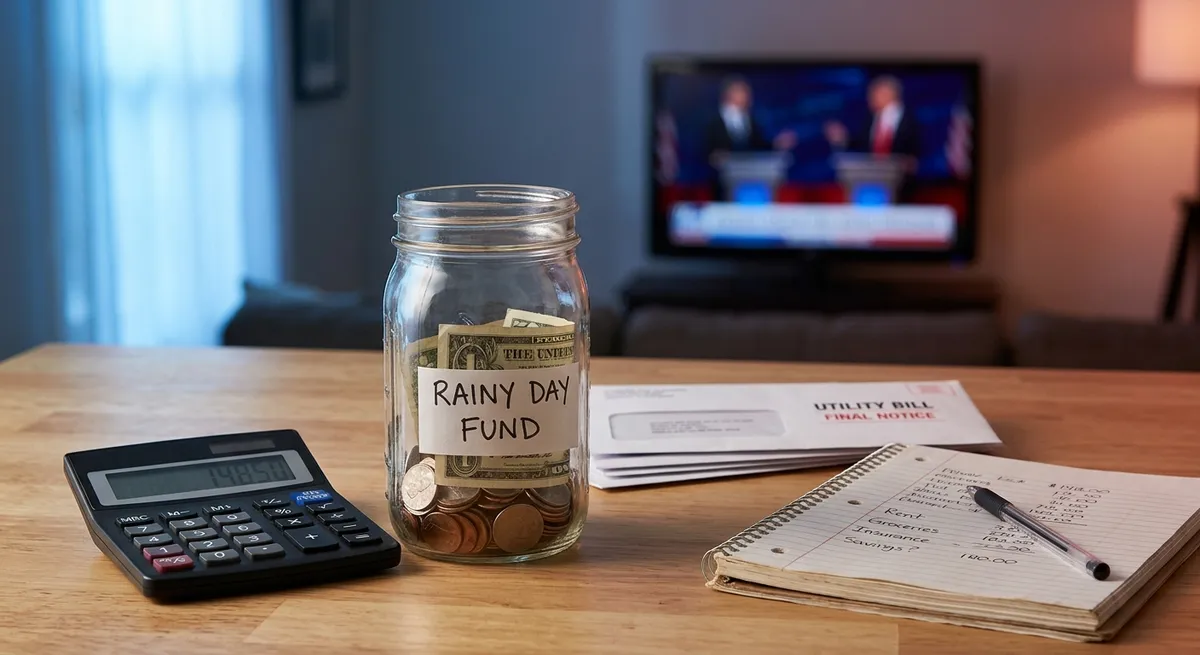

Former President Donald Trump recently made headlines while delivering remarks in Las Vegas, where he touted his administration's economic gains and promoted his tax cut proposals. As tax policy becomes a central theme in the upcoming election cycles, it's crucial to examine the specifics of Trump's plans and consider who stands to benefit the most.
Details of Trump's Proposed Tax Cuts
In his speech, Trump outlined several key aspects of his proposed tax cuts. While specific figures and mechanisms weren’t fully detailed during his remarks, he emphasized a broad reduction in tax rates across the board, including for individuals and businesses. These changes, he argues, aim to stimulate economic growth and expand the job market by providing individuals and corporations with more disposable income.
One significant highlight from his proposals is Trump's push for a ‘no tax on tips’ policy, which is particularly relevant in service industries where incomes often depend on gratuities. By eliminating taxes on tips, he believes it can bolster earnings for workers in these sectors, thereby enhancing their take-home pay and overall financial stability.
Which Demographics Stand to Gain?
While Trump's tax cut proposals have been framed as beneficial to all, the reality is often more nuanced. Several groups potentially stand to benefit disproportionately:
- High-income earners: Historically, tax cuts tend to favor those at the top of the income bracket. Should these cuts be implemented, wealthier individuals may see substantial reductions in their overall tax burdens.
- Businesses: By lowering corporate tax rates, companies can retain more profits, which can lead to increased investments in growth and hiring. This could particularly benefit larger corporations that can absorb the benefits of such cuts more readily.
- Service Industry Workers: As mentioned, the 'no tax on tips' initiative can provide a significant boost to workers in hospitality and service sectors. For instance, servers who rely heavily on tips may find their after-tax income considerably enhanced under this proposal.
However, it's also essential to consider the potential downsides. Critics argue that such tax cuts could lead to reduced federal revenue, which may impact public services and social programs — often essential to lower-income populations. Without a broader economic growth to offset the loss of tax revenue, the long-term impacts of these cuts could raise significant concerns.
Analytical Dive into Economic Claims
Trump's assertions about economic gains attributable to his previous tax cuts are potentially contentious. Many economists advocate for verifying these claims against independent economic data and expert analyses to provide a balanced perspective. It's crucial to analyze whether his administration's tax policies genuinely led to the robust economic outcomes he describes or whether they merely reflect a broader economic climate influenced by various other factors.
Conclusion
Trump's push for tax cuts is not just an economic policy; it's a strategic attempt to gain favor with key voter demographics leading into the elections. As these proposals gain traction, it’s imperative that voters critically assess who truly benefits from these measures and the potential implications for the economy as a whole. Whether or not these policies resonate positively with the electorate remains to be seen, making this a rich area for ongoing analysis and exploration.